Brixton Cleaner in Brixton
Brixton Cleaner provides cleaning in Brixton with a service range centred on homes, flats and workplaces that need practical, well-organised care. The main offer is straightforward: routine domestic cleaning, deeper one-off cleaning, end of tenancy cleaning and related specialist work for surfaces and furnishings that need more attention. We keep the wording plain because the service needs to be clear before anyone starts comparing options or asking for a quote.
For many customers, the value of a cleaning service is not just visible tidiness but a more manageable week. That may mean a regular domestic visit to keep kitchens, bathrooms and living spaces under control, or a focused clean before a move, event or new tenancy begins. We also cover jobs that call for a more detailed approach, such as stubborn build-up in an oven, marks on upholstery, or a carpet that benefits from a targeted clean rather than a general wipe-down.
If you are deciding what kind of help you need, it often helps to think in spaces, surfaces and timing. A regular plan suits steady upkeep, while a one-off appointment suits a reset. If you are unsure which route fits best, use the service pages to compare the options, then request a quotation when you are ready. Tell us what needs cleaning, and the next step can be shaped around that rather than around a fixed package.
Domestic cleaning for regular upkeep
Domestic cleaning is usually the best fit when the aim is to keep a home presentable without waiting for problems to build up. In practice, that can include dusting, vacuuming, wiping reachable surfaces, bathroom attention and general kitchen cleaning, with the emphasis placed on the rooms most used day to day. The work is structured to support a clean, orderly home rather than to replace specialist treatment for every item in the property.
Different homes need different priorities, and that is one reason a domestic service works best when the scope is clear from the start. Some households want support with floors and visible surfaces; others need particular attention to washing-up areas, sinks, taps, skirting boards or high-touch points. Domestic cleaning is a useful starting point if you want a dependable, repeatable clean that can be matched to your rooms and routine.
What the visit can focus on
A domestic clean can be shaped around the areas that create the most day-to-day friction. That may involve bathrooms where limescale and soap residue gather, kitchens where grease and crumbs collect, or living rooms that pick up dust quickly. The intention is not to overcomplicate the job, but to decide where effort should be concentrated so the result is practical and visible. If a property has particular features, such as awkward corners or delicate finishes, those can be discussed when the enquiry is made.
One-off cleaning when a deeper reset is needed

A one-off clean is designed for situations where the home needs more than routine maintenance. This might suit a property that has fallen behind on upkeep, a room set aside for guests, or a household that wants a fresh start before returning to normal cleaning habits. The task is typically broader than a regular visit and may involve closer attention to build-up on surfaces, fixtures, cupboards or floors.
The advantage of this approach is flexibility. A one-off appointment can be used to tackle the most visible or most stubborn areas first, then widen out to the rest of the space. One-off cleaning is also helpful when you want a professional clean without committing to a repeated schedule. If you are comparing options, it is sensible to weigh the size of the property, the current condition and the kind of finish you want to achieve.
Useful preparation is simple: note which rooms matter most, mention any awkward access, and flag materials that need care. You do not need to write a long brief. A short, accurate description is usually enough to build a sensible quotation. If there are photographs, they can help with estimating scope, but they are only one way of explaining the job. The clearer the priorities, the easier it is to shape the work around them.
End of tenancy cleaning for move-outs
End of tenancy cleaning is a more detailed service aimed at properties that are being handed back, prepared for new occupants or put into a lettable condition. The cleaning standard is usually broader than everyday domestic upkeep because the job has to cover rooms, fixtures and finishes that may have gathered more wear over time. Kitchens, bathrooms, floors and storage areas often need the most attention, but the scope depends on how the property has been used.
This kind of cleaning is often organised with a move in mind, so the main decisions are about timing and scope. End of tenancy cleaning is the page to review if you need a thorough clear-down before a key handover. It can be useful to state whether appliances, cupboards, hard floors or soft furnishings should be included, because that affects how the work is planned and priced.
For best results, keep the request focused on the rooms and items that matter most. A concise checklist helps avoid misunderstandings, particularly where the property has mixed materials or where a more careful approach is needed on surfaces that mark easily. If access is limited or if cleaning must be scheduled around the end of a tenancy, mention that early so the quotation reflects the real work rather than a generic estimate.
Specialist work for carpets, rugs and upholstery
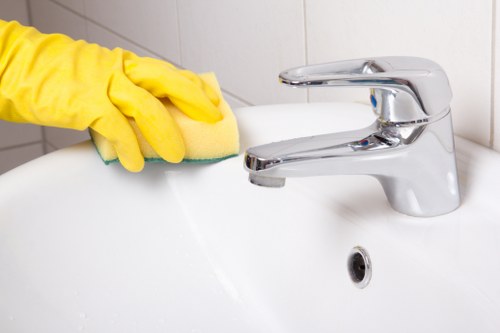
Some cleaning tasks need a more specific approach than general household cleaning. Carpets, rugs, sofas and other upholstered items hold dust, everyday soil and occasional spills in a way that flat surfaces do not. The purpose of a specialist clean is to address those materials with methods suited to fibres and fabric construction, rather than treating them as if they were hard surfaces.
That is why it helps to separate carpet cleaning, rug cleaning and upholstery cleaning when you are deciding what to include. Each item can call for a different level of attention depending on fibre type, age, staining and usage. A rug that is decorative may need a gentler approach than a hallway carpet, while a sofa may need particular care around seams, cushions and patterned fabric.
When specialist cleaning is requested, clarity matters more than jargon. It is useful to mention whether the item is heavily used, lightly soiled, or affected by a specific mark. We can then look at the most appropriate scope rather than assuming the same treatment for every material. This keeps expectations realistic and helps the quotation match the actual cleaning task.
Kitchen and appliance cleaning
Kitchens often need a more concentrated clean because grease, food residue and steam affect several surfaces at once. A kitchen clean may involve work on cupboards, splashbacks, sinks, hobs and other areas that collect grime quickly. The aim is to bring the room back to a usable standard without turning the service into unnecessary detail for items that do not need it. The right level of work depends on whether the kitchen needs routine refreshment or a more intensive intervention.
For ovens and similar appliances, specialist attention is often worthwhile because the build-up can be persistent and awkward to remove by ordinary cleaning methods. Oven cleaning is a sensible choice where burnt-on residue, grease and unpleasant odours have become part of the job. Some customers want the oven covered on its own, while others prefer it included as part of a broader kitchen clean so that the whole room is brought into line.
Choosing between a full kitchen clean and a single-item clean
If the room as a whole has lost its freshness, a kitchen clean gives better value than treating one appliance in isolation. If the main concern is the cooker or oven, then a focused clean can be the more efficient option. The key is to decide whether the problem sits in the room generally or in one piece of equipment. That way the service can be matched to the issue without building in unnecessary work.
Floors, windows and hard surfaces

Floors and hard surfaces can change the feel of a property quickly, especially where dust, foot traffic and everyday marks show up easily. Hard-floor cleaning is useful when a floor needs a more controlled clean than routine sweeping or mopping can provide, particularly in kitchens, hallways and commercial interiors with heavy movement. The purpose is to clean the surface thoroughly while respecting the material finish.
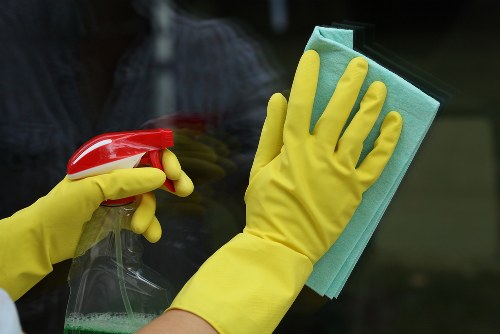
Window cleaning is another service that can alter the appearance of a room without changing the room itself. Clean glass supports more natural light and helps the property present better from both inside and out. Window cleaning is especially relevant where fingerprints, rain marks or general dullness have built up. If you need both internal surfaces and glass addressed, the quotation can be shaped to cover the relevant areas rather than to assume every window requires the same treatment.
For properties with mixed surfaces, it is often best to separate tasks by material. That allows the work to be organised in a way that avoids unnecessary overlap and keeps the final result consistent. A floor with a tough finish may tolerate a different process from a delicate surface, so accurate descriptions are helpful. If your request includes a combination of glass, floors and hard furnishings, mention that clearly at the start.
About Brixton
Brixton is a district in south London within the London Borough of Lambeth, long associated with a dense urban character, busy transport links and a strong cultural identity. Its history reaches back to the 19th century, when the arrival of rail and later Underground connections accelerated development and helped turn the area into a major south London centre. Brixton station, on the Victoria line, and nearby rail services have made it one of the most recognisable transport interchanges in the borough. The area is also known for Brixton Market and nearby markets that grew from local trading activity into an important part of the district’s public life. Electric Avenue, one of the best-known streets, is often noted for its covered market setting and its position in the area’s commercial heart. Brixton’s built environment is varied: it includes Victorian terraces, post-war developments and later mixed-use schemes, with public spaces and smaller streets sitting beside larger roads such as Brixton Road. The district has also become widely associated with music, nightlife and Caribbean heritage, shaped by generations of migration and community life. Brockwell Park lies to the south-west of the area and provides a substantial open space with views across London, while nearby venues and civic buildings contribute to a lively local centre. The name Brixton now carries both geographical and cultural meaning, reflecting a place that has remained urban, active and distinctive over time.
After-builders and deep cleaning for difficult finishes
Some jobs require more than normal domestic maintenance because the property has recently been built, refurbished or heavily disturbed. After builders cleaning is designed for dust, debris and residue that settle on multiple surfaces after works are completed. This type of cleaning usually needs careful attention to floors, ledges, fixtures, fittings and any areas where fine dust can travel. The objective is to remove the traces of work so the property feels ready for use again.
Deep cleaning is the broader option when the issue is not construction dust but accumulated grime, neglected corners or a space that needs a much more detailed treatment. After builders cleaning and deep cleaning are different in emphasis, but both call for an approach that goes beyond routine tidying. The right one depends on whether the room is recovering from building work or simply needs a more rigorous clean than normal.
A sensible quotation starts with the condition of the property, the type of surfaces involved and the level of access available. If the job includes a mix of standard rooms and more demanding areas, it is better to say so clearly than to expect one generic estimate to fit every surface. In many cases, a clear description of the dirtiest areas is enough to guide the plan.
Choosing the right cleaning service
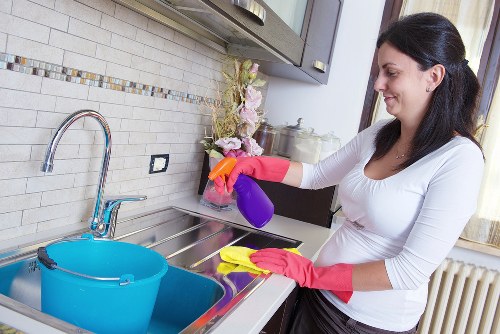
There are several reasons customers choose one service rather than another. A regular domestic clean supports maintenance; a one-off clean restores order; a specialist upholstery or carpet clean handles fabric; and end of tenancy or after builders cleaning deals with more specific turnover situations. The most useful decision is usually the one that matches the actual state of the property. That is why a simple comparison between the service pages can save time before an enquiry is made.
If you are preparing a quotation request, include the property type, the number of rooms or items, the main areas of concern and any access points that matter. If you have a preference between regular visits and a single appointment, say so at the outset. You do not need to over-explain, but it is worth being accurate. A neat brief gives a better basis for pricing than a long message that mixes several different jobs together. When you are ready, the next step is simple: request a quotation.
Use the pages for the service you need, then decide whether there is a second area worth adding to the same visit. For example, a home clean may include a kitchen focus, while a carpet clean may be combined with upholstery work. Clear scope, clear timing and clear priorities make the process smoother. If you want to talk it through first, simply get in touch and ask for the most suitable cleaning option.