Brixton Market stall cleaning guide for traders
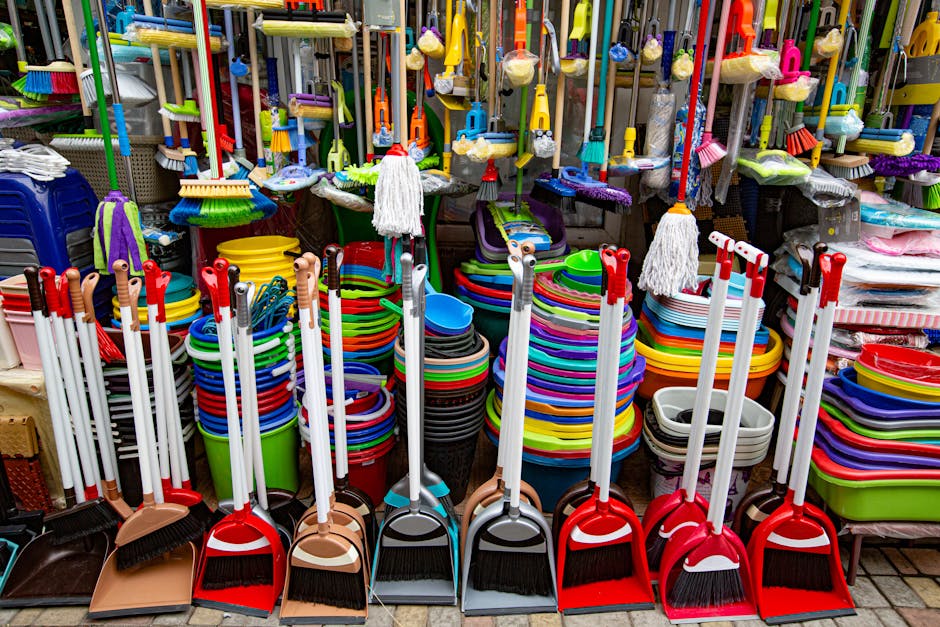
If you trade at Brixton Market, cleaning is not just a finishing touch. It is part of the job, part of the customer experience, and honestly part of keeping your day sane when the stall gets busy. A good Brixton Market stall cleaning guide for traders should help you keep surfaces safe, stock presentable, and your pitch ready for the next rush without wasting time or money.
Whether you run a food stall, sell clothing, handle ceramics, or work with mixed goods, the same pressure shows up fast: spills, footfall, dust, grease, packaging waste, and that awkward point where a stall looks tired even though the products are great. This guide breaks down what to clean, when to clean it, which mistakes matter most, and how to build a routine that actually works on a trading day.
It also covers when a deeper clean makes sense, what traders should keep in mind around safety and hygiene, and how to decide whether to handle everything in-house or bring in professional support from a reliable cleaning company. No fluff. Just practical steps you can use.
Why Brixton Market stall cleaning matters
A market stall lives in public view. People can see the counters, the floor, the baskets, the packaging area, the fridge handles, the display edges, and the bits you may not notice after a long shift. If a stall looks sticky, dusty, or cluttered, customers often read that as low care overall. Fair or not, that first impression can affect trust in seconds.
There is also a practical side. Clean work areas reduce slip hazards, keep stock fresher-looking, and make it easier to spot damage, leaks, pests, or broken packaging early. In a busy market setting, small issues become annoying problems quickly. A damp patch behind a display can turn into a mess by lunch. A greasy prep surface can spread grime across containers and tools before you realise it.
For food traders, cleaning is tied to hygiene expectations, food safety routines, and the basic duty to keep equipment and surfaces suitable for use. For non-food stalls, it still matters because dust, grime, and handling marks affect presentation and stock quality. And if you ever have to close up in a hurry, a simple, tidy system is much easier to manage than a vague "we'll sort it later" approach. We've all said that. Later usually arrives with a mop in your hand.
Expert summary: At Brixton Market, the best cleaning systems are simple, repeatable, and fast. Traders do not need perfection every five minutes. They need a routine that keeps the stall clean enough to trade safely, look professional, and reset quickly at the end of the day.
How Brixton Market stall cleaning works in practice
A good stall cleaning routine works in layers. You are not doing one giant clean and hoping it lasts. You are doing small, targeted jobs throughout the day, then a more thorough reset after trading. That is usually the only way to stay ahead of dirt in a space where people are constantly handling products, bags, money, baskets, cups, and packaging.
Most traders work with three levels of cleaning:
- Opening clean: wipe down the stall before trading starts, remove overnight dust, check bins, and make sure any food-contact surfaces or display areas are ready.
- Daytime tidy-ups: clear spills, sweep debris, wipe high-touch points, and remove rubbish before it builds up.
- Closing clean: deep-wipe counters, mop or sweep floors, sanitise touch points where appropriate, empty bins, and reset for the next day.
That rhythm matters because market stalls collect mess in a very particular way. A spill rarely stays where it lands. It gets tracked, smeared, or mixed with cardboard fibres, crumbs, dust, tape, and packaging. If you wait until the end, you may be scrubbing twice as hard for the same result.
For traders who sell high-traffic items or food, the cleaning process may also involve separate cloths or wipes for different tasks, careful handling of waste, and extra attention to food-safe surfaces. The practical point is simple: keep the clean and dirty jobs separate wherever possible. It reduces cross-contamination and saves time later.
If you need a deeper reset because the stall has built up grime over time, many traders pair their own routine with deep cleaning support for heavier refresh jobs. That can be useful after a busy season, before a relaunch, or after any particularly messy spell.
Key benefits and practical advantages
The value of a proper cleaning routine goes well beyond appearances. Yes, a clean stall looks better. But the real gains are usually felt in the background: faster set-up, fewer surprises, easier stock handling, and less stress at the end of the day.
- Better customer confidence: people are more relaxed buying from a stall that looks cared for.
- Safer working conditions: fewer slips, fewer sticky surfaces, fewer hazards hidden under clutter.
- Longer-lasting equipment and fixtures: regular cleaning helps prevent grime from becoming permanent damage.
- Faster pack-down: when everything has a place, the closing routine is calmer and quicker.
- Less pest attraction: waste control and surface hygiene make the stall less inviting to unwanted visitors.
- Better product presentation: clean surroundings help stock look more valuable, even simple stock.
There is also a morale benefit. Trading in a tidy stall feels different. You breathe easier. You move better. You are not constantly side-stepping clutter or wiping the same surface for the third time. Small thing, but it adds up over a long week.
And if you operate a mixed-use stall or a larger stand with more hard flooring, counters, and display areas, routine care often works best when paired with hard floor cleaning and other specialist support in the spaces that take the heaviest wear.
Who this is for and when it makes sense
This guide is for traders who want a realistic, repeatable system rather than a "clean when you can" plan that falls apart on busy days. It is especially relevant if you handle food, hot equipment, fabric stock, fragile goods, or anything that shows marks easily.
You will probably find it useful if you are:
- a food trader working with prep areas, serving counters, or hot plates
- a retail trader whose stall shows dust, fingerprints, or packaging clutter quickly
- a market seller with floor space that gets dirty from heavy foot traffic
- a trader preparing for an inspection, relaunch, or seasonal peak
- a new stallholder building cleaning habits from day one
- an established trader trying to cut closing time without cutting standards
It also makes sense if you are choosing between in-house cleaning and occasional professional help. For many stalls, daily wipe-downs are handled by the trader or staff, while larger resets are booked as a one-off cleaning job. That split can be sensible, especially when trading hours are long and the stall needs to look fresh after a particularly hectic week.
To be fair, not every stall needs the same level of intervention. A clothing stand does not need the same cleaning rhythm as a food prep unit. But every stall benefits from a clear plan. Without one, cleaning turns into guesswork, and guesswork is slow.
Step-by-step guidance
Here is a practical system you can adapt to your stall. Keep it simple enough to follow on a tired Friday afternoon, because that is usually when the real test happens.
1. Clear and sort before you wipe
Start by removing loose packaging, empty cups, stray labels, and any items that do not belong on the counter. If you wipe around clutter, you just move grime from one side of the mess to the other. That is not cleaning. That is rearranging the problem.
2. Dry clean first where needed
Sweep crumbs, dust, and dry debris before introducing liquid. On many stalls, that means a quick brush-down of shelves, floor edges, and display bases. If you jump straight to wet cleaning, you can smear dirt and make more work for yourself.
3. Work from top to bottom
Clean higher surfaces first, then move down to counters, handles, shelves, and finally the floor. This prevents dust and splashes from landing on areas you have already cleaned. It sounds obvious, but in a busy market, obvious often gets skipped.
4. Focus on high-touch points
Handles, card machines, fridge doors, serving edges, scales, display rails, and taps all need regular attention. These are the points customers and traders touch again and again. Miss them and the stall can still feel grubby even if everything else looks fine.
5. Use the right cleaner for the surface
Not every product suits every surface. Wood, stainless steel, laminate, glass, paint, and textiles all react differently. Always check the surface type first. A harsh cleaner on the wrong material can leave streaks, haze, dulling, or damage that will annoy you for months.
6. Deal with spills immediately
Hot drinks, sauce, oil, mud, and sugary spills are easier to remove the same minute they happen. Leave them and they begin to bond with the surface. Sticky spills in particular tend to spread. You notice this most at closing time, when the floor somehow has more life in it than your staff do.
7. Finish with waste, bins, and reset
Empty waste properly, replace liners, store cloths and tools in their designated place, and leave the stall ready for the next opening. A tidy reset saves time tomorrow morning and makes your stall feel more professional straight away.
If your stall includes upholstery, cushions, or fabric seating, it is worth remembering that soft materials trap odours and spill residue more easily than hard surfaces. In those cases, support from upholstery cleaning can be a useful reset after heavy use or an awkward spill.
Expert tips for better results
In practice, the best cleaning routines are the ones people will actually do. That means building habits around the way you trade, not around an ideal version of the day that never quite happens.
- Keep a small kit within arm's reach. If the cleaning supplies are buried in a back crate, spills will sit too long.
- Label cloths by job. Use one set for food-contact areas, another for display surfaces, and another for floors or waste areas.
- Use short cleaning windows. A five-minute reset between rushes often works better than one long clean you keep postponing.
- Check corners and undersides. Grime hides under lip edges, shelf brackets, and display stands.
- Do a quick smell test. Not glamorous, but useful. If a stall starts to smell stale, something is sitting where it should not.
- Build end-of-day habits around closing order. If you always clean in the same sequence, you make it automatic.
One helpful habit is to think like a customer for a second. Stand where the first buyer stands in the morning. What do they see? What do they touch? What would make them hesitate? That little perspective shift catches a surprising amount. Very old school, but it works.
For traders who manage office-style admin, back stock, or shared prep areas as part of the wider operation, occasional office cleaning can be relevant too, especially where paperwork, staff spaces, and customer-facing trading areas overlap. Mixed spaces get messy faster than people expect.
Common mistakes to avoid
Most cleaning problems at market stalls do not come from a lack of effort. They come from small habits that slowly undermine the routine.
Using one cloth for everything
This is an easy mistake when the day gets busy. But one cloth moving from spill, to handle, to display, to food-contact area can spread dirt around the stall. Separate cloths reduce that risk and make the result much better.
Leaving bins until the end
Overflowing waste draws attention fast. It also makes the stall look busier and dirtier than it really is. Empty waste before it becomes visible to customers.
Cleaning around stock instead of moving it
If the stock stays in place, grime stays in corners. Move items safely and clean the full surface. That is especially important on counters and shelving where crumbs and dust collect underneath packaging.
Over-wetting surfaces
Too much liquid can mark packaging, damage card, make floors slippery, and leave streaks. Damp is often enough. Really. Most surfaces do not need a flood.
Ignoring high-touch areas
A beautifully wiped counter does not matter much if the handles, card machine, and fridge door are grimy. Customers notice touch points, even if only subconsciously.
Forgetting the floor edge
Grime tends to gather where the eye does not go first. Skirting edges, under display stands, and corners are easy to miss, and they make the whole place look older than it is.
Waiting too long to call for a deeper reset
If your stall has reached the point where smells, stains, or build-up are taking over, basic daily cleaning may not be enough. That is the time to step back and consider a more thorough service such as professional cleaners or a targeted refresh. It is not defeat. It is maintenance.
Tools, resources and recommendations
You do not need a huge amount of equipment to keep a market stall presentable, but the kit should be practical, quick to reach, and easy to restock. Simple often wins here.
| Tool or supply | Best use | Why it helps |
|---|---|---|
| Microfibre cloths | General wiping and dust removal | They lift grime well and reduce streaking on many surfaces |
| Small brush and dustpan | Crumbs, dry debris, loose dirt | Good for fast sweeps during trading hours |
| Bucket or spray bottle | Controlled wet cleaning | Lets you avoid over-wetting counters and floors |
| Surface-safe cleaner | Daily wipe-downs | Keeps cleaning consistent without damaging finishes |
| Bin liners and spare liners | Waste control | Prevents overflow and keeps closing routines simple |
| Gloves | Handling rubbish or stronger cleaners | Useful for comfort and hygiene |
| Separate cloths for different zones | Cross-contamination control | Helps keep food, display, and floor cleaning separate |
For traders who want to outsource part of the work, it helps to choose services that match the actual stall surface rather than a generic "all-purpose" promise. A stall with hard floors may benefit from hard floor cleaning, while stalls with glass screens or display windows may need window cleaning to keep the front of the pitch looking sharp and bright.
And if waste control or leftover materials are becoming a problem around the stall, a broader reset may involve house clearance-style removal principles in a commercial setting, even though the job itself is different. The point is the same: clear what you do not need so the useful bits can breathe.
Law, compliance, standards and best practice
Cleaning at a market stall is not only about visual standards. Traders also need to think about general hygiene, safe working conditions, and sensible handling of waste and cleaning products. The exact duties vary depending on your stall type, what you sell, and any site-specific rules set by the market operator, so it is wise to follow the guidance that applies to your pitch rather than making assumptions.
For food traders, the expectations are usually stricter. Surfaces that touch food, utensils, and prep areas need careful attention, and cleaning routines should support hygiene rather than simply appearance. Even for non-food stalls, basic best practice still applies: keep surfaces safe, avoid slippery floors, store cleaning materials properly, and do not leave waste unmanaged.
It also helps to keep a simple written routine, even if it is only a checklist on a clipboard. That record is useful for staff handovers and helps you spot what gets missed. A clear routine is one of the easiest ways to show control, especially if you are trading with a team.
Health and safety should be practical, not theatrical. Use suitable gloves where needed, label any stronger products clearly, keep liquids away from electrical items, and make sure mop water, cloths, and waste are handled in a way that does not create new hazards. If you need a general reference point for this sort of working practice, the site's health and safety policy is a useful place to understand the company's approach to safe cleaning work.
For traders who hire cleaning support, insurance and safety checks matter too. It is sensible to know who is entering the stall, what they are doing, and how they handle equipment in a busy trading environment. That is why pages like insurance and safety are worth reviewing before you book any outside help.
Options, methods or comparison table
Different stall cleaning methods suit different trading styles. The right answer depends on how messy the work gets, how much time you have before opening, and how visible the stall is to passing customers.
| Method | Best for | Pros | Limitations |
|---|---|---|---|
| Daily trader-led cleaning | Most stalls | Fast, cheap, immediate, easy to adapt | Can be rushed when trading is busy |
| Scheduled in-house deep tidy | Stalls with heavier turnover | More thorough, keeps build-up under control | Takes time away from trading |
| Professional one-off refresh | Seasonal resets, post-event clean-ups, problem build-up | Better for stubborn grime and larger resets | Costs more than routine self-cleaning |
| Specialist surface cleaning | Floors, fabrics, glass, stubborn marks | Targets problem areas properly | May not cover the whole stall |
For many traders, the best approach is mixed. Daily cleaning by the stall team keeps standards steady, while targeted services handle the surfaces that need more care. That is usually more realistic than expecting one method to solve everything. Life is messy like that, especially in markets.
Case study or real-world example
Picture a food and drinks trader on a Saturday morning. The stall opens early, the first rush hits by late morning, and by midday the counter has fingerprints, a small coffee spill, packaging scraps, and a damp patch near the prep area. Nothing dramatic. Just the usual slow creep of disorder.
Instead of waiting until the end, the trader uses a compact cleaning routine: the counter gets wiped between rushes, the spill is dealt with straight away, the floor edge is brushed down before it spreads, and the waste bag is swapped before it starts looking full. By closing time, the reset is still a job, but it is a ten-minute tidy rather than a stressful rescue mission.
Now compare that with a stall that leaves everything until closing. The floor is stickier, the counter takes longer to clean, the smell is heavier, and staff are tired enough to cut corners. Same day, same trade, different routine. The difference is not fancy equipment. It is rhythm. A small habit repeated often beats heroic cleaning at the end.
For a non-food trader, the pattern is similar. A clothing stall that regularly removes dust, cleans mirrors or screens, and keeps packaging under control will usually look fresher and more inviting than a stall that only gets attention when someone points out the mess. Customers may not say it out loud, but they feel the difference.
Practical checklist
Use this as a quick pre-opening or closing checklist. Keep it short enough that people will actually use it.
- Remove loose rubbish and packaging
- Brush or sweep dry debris first
- Wipe counters and display surfaces
- Clean high-touch points such as handles and payment areas
- Check for spills, stains, and sticky patches
- Empty or replace bin liners
- Clear floor edges and corners
- Store cleaning tools in their place
- Check for odours, leaks, or lingering mess
- Reset the stall so the next shift starts clean
If the stall includes mixed surfaces or fabric items, it can also help to schedule periodic specialist attention such as sofa cleaning for upholstered seating or carpet cleaning where mats and floor coverings take on heavy use. Not every stall needs that, but when it does, it makes a real difference.
Conclusion
A strong Brixton Market stall cleaning guide for traders is really about keeping control. Control of the look of your stall, control of hygiene, control of waste, and control of the time it takes to open and close each day. The best systems are not complicated. They are steady, practical, and easy to repeat under pressure.
Start with a clear daily routine, use the right tools, deal with spills quickly, and do not let small messes become part of the furniture. If your stall needs a fuller reset, bring in support for the heavier jobs rather than forcing your team to struggle through them. That balance tends to work well, and it keeps the whole operation feeling calmer. Truth be told, a clean stall is often a less stressful stall.
If you are ready to improve your market stall cleaning routine, now is a good time to review your current process, note the problem areas, and decide where a professional clean could save you time and hassle.
Get a free quote today and see how much you can save.
Frequently Asked Questions
How often should a Brixton Market stall be cleaned?
At minimum, most stalls benefit from an opening clean, quick daytime tidy-ups, and a closing clean. Food stalls or high-footfall pitches may need more frequent wipe-downs during busy periods.
What is the most important part of stall cleaning?
High-touch surfaces and spill control matter most. If customers touch it, or if it could become slippery or unsanitary, it deserves regular attention.
Do I need professional cleaning for my market stall?
Not always. Many traders handle the daily routine themselves. Professional support makes sense when grime builds up, surfaces need specialist care, or you want a deeper reset without taking time away from trading.
What cleaning products are safest for a market stall?
The safest choice depends on the surface. Use surface-appropriate products and avoid harsh cleaners on delicate materials. When in doubt, test carefully on a small hidden area first.
How can I keep a stall clean on a busy trading day?
Keep a small cleaning kit within reach, deal with spills immediately, and build short reset moments into the day. A few minutes between rushes often works better than a long clean that never happens.
What should traders do about waste and bin smells?
Empty bins before they overflow, use fresh liners, and remove waste regularly. Waiting until closing usually makes the stall look worse and smell stronger than necessary.
Is deep cleaning needed for all stalls?
No. Deep cleaning is more useful for stalls that build up grease, dust, stains, or odours over time. Some traders need it seasonally; others only occasionally.
Can cleaning routines help with food safety?
Yes. For food stalls, regular cleaning supports hygiene, reduces cross-contamination risk, and helps keep prep and serving areas suitable for use.
What should I avoid when cleaning a market stall?
Avoid using one cloth for everything, over-wetting surfaces, ignoring corners, and leaving spill clean-up until later. Those habits make more work and can create avoidable hazards.
How do I make closing time faster?
Keep the stall organised during trading, sweep as you go, and use a clear closing sequence. The less clutter you leave for the end, the faster the reset will be.
What if my stall has upholstery or fabric seating?
Fabric traps dirt and smells more easily than hard surfaces, so it may need occasional specialist attention. If seating is part of your stall, keeping it fresh makes the whole setup feel more cared for.
Where can I learn more about safe and reliable cleaning support?
You can review helpful service and policy pages such as about us, pricing and quotes, and contact us if you want to understand service options, safety, and next steps.